
As a millenial within the church, I get grouped into a category that, at large, is being marked by a movement forsaking material wealth and modern amenities, forming communities of like-minded, environmentally conscious, bike riders, home gardeners, artists, musicians, writers, and activists. It’s a culture in pursuit of authenticity within a fabricated world, boldly bannering a “back to the basics” mantra of minimalism. Embedded in this movement is a re-appreciation for simplicity and a move away from the commercial, “worldly materialism” that is entrenched around us.
There’s innocence to such a pursuit and a virtuous idealism that is envied and applauded. “Look at them,” people often muse, “they’re going to change the world.”
Bravo mister hipster.
But, at the risk of offending the young and restless, hip trends, forage diets and two-buck chuck; and at the risk of demeaning the noble commitment to the simple life and the campaign against wealth and materialism; we inevitably stumble across a simple question:
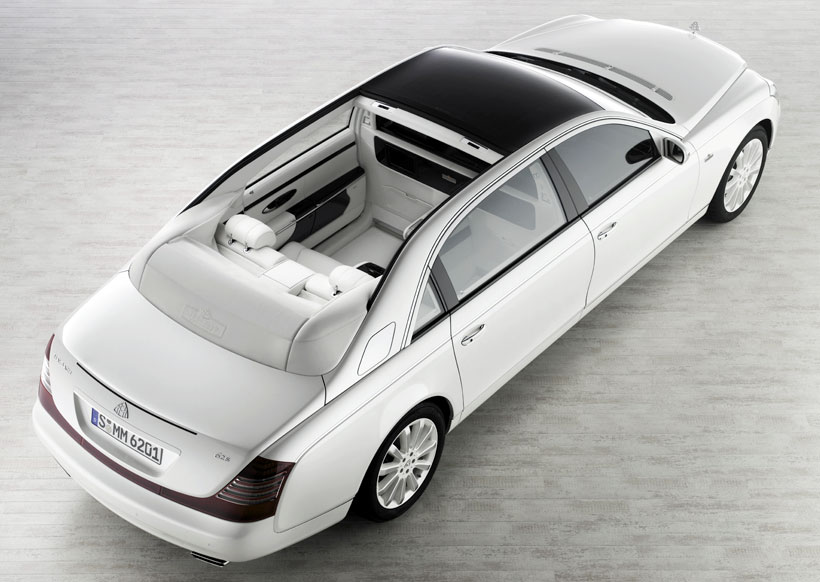
What are we to make of Maybachs and malbecs?
What do we make of the “finer” things in life – the lavish and the nice? What do we do with the christened trophies and status symbols of the world’s elite? What do we make of daily “excess” and niceties within a material world?
Condemn it? Sell it (and give the money to the poor)? Deem it “worldly” and avoid all exposure?
Heaven – A blissful paradise or a rustic coffee shop?
In writing about heaven, Blaise Pascal encouraged that we, “Make them wish it were…then show them that it is!”. In other words, there’s power in the allure of heaven! It is the reflection of God in a very real and physical way!
And so our lives and the things of the world are to be pictures, foreshadows, and the literal building blocks of a new reality – heaven on earth. (Matt. 6.10).
If the reality we create is to be a reflection of heaven, then are rustic coffee shops and bonfire sing-a-longs all that we imagine? Do we only dream of lazy afternoon naps in a rugged old canoe or do we envision weekends on a yacht, sipping champagne off the coast of France?
We must not limit our imagination to the simple, lowly and meek. We must learn to dream of the magnificent, vibrant and regal, as well – because heaven is a glorious paradise!
When we begin to understand the role of the gospel, not simply as a rescuing of our souls, but a restoration and regeneration of our beings (2 Cor. 5.17, Rom. 8.23) and the renewal of all of creation (Rom. 8.19-22)– then the physical, aesthetic and material world should matter.
When we realize the hope of Heaven isn’t for some temporal holding place when we die – but the eminent reign of Christ on EARTH (Rev. 21.1-5)– saturated in the presence of almighty God – then the physical,aesthetic and material world should matter.
When we understand the gospel as the introduction of a new era, designed to enact a current reality of a future heavenly state – then the physical, aesthetic, and material world should really begin to matter.
Leaving the material world behind as some act of virtue would be like Michaelangelo deciding to paint the Sistine Chapel with a pencil because leaving his paints behind was, in some way, more virtuous.
Lets be honest, a “granola” approach to Christianity may simply yield a paradise full of coffee, craft beer and skinny jeans. We must reclaim the elegance, quality, grandeur and beauty, sophistication and handiwork, luxury and class of the kingdom of God.
The Gospel
Materialism will always tempt one to idolatry, the same way success tempts pride and beauty tempts lust, but the beauty of the gospel is that the material no longer reigns as destructive. It has been recaptured to become a vehicle of redemption.
The gospel alone breaks the enslaving chains on our heart and enables us to interact/engage the material world in such a way that it, once again, is re-positioned as a physical, glorious reflection and tangible allure of God himself. The gospel frees the created world and re-defines luxury and class, not as the allure of evil, but as attributes of the kingdom of God, giving us awesome pictures of heaven that are magnificent and majestic.
It puts at the forefront the settling glory of God by which ALL things; things that are grand and extravagant and lowly and meek; ALL things are re-oriented to orbit, enhance and reflect supreme glory and majesty.
Being freed from the curse of the material, we actually engage, leverage and invite it into the influence of the kingdom of God.
Becoming Materialistic in a New Way
So what are we to do with the material?
We employ it.
We appropriate, appreciate and arrogate. We leverage and engage it. We know more, use more, drink more, eat more, buy more, give more, save more, create more, support more, find more, invest more. We bring the material into the presence of God where Paul says, ” it is made holy through the word of God and prayer.” 1Timothy 4.4-5
It’s too easy for us to write it off and only call it dangerous and fleeting.
We must re-employ “things”, no longer as scarlet letters of the “materialistic”, but as agents of change and vehicles of redemption – set out along uncharted paths to propagate and promulgate the gospel in new and unorthodox ways. We may just see the gospel come alive in powerfully new ways.
So here’s a toast to the Maybachs and malbecs – may they find their place once again as a renewed, re-established entity in the grand and glorious kingdom of God.
Cheers.
 humdrum